

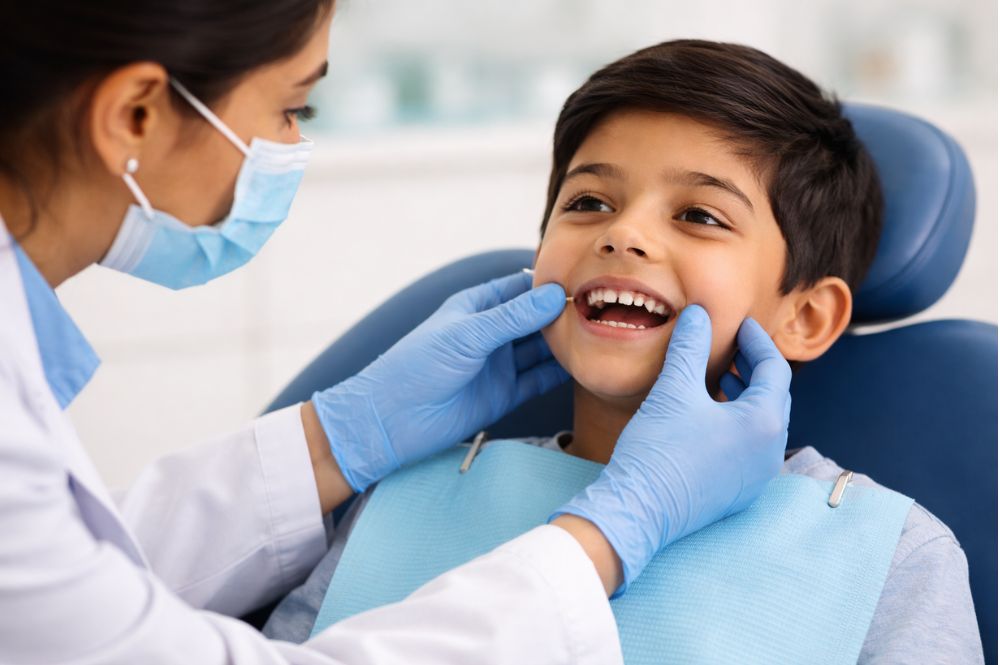
Interceptive orthodontics is an early form of orthodontic treatment designed for children, usually between the ages of 6 and 10 years, when both milk teeth and permanent teeth are present. The goal is to identify and correct dental or jaw problems early, before they develop into more complex issues that may require extensive braces or surgery later.
What Is Interceptive Orthodontics?
Interceptive orthodontics focuses on guiding jaw growth and tooth eruption at the right time. Instead of waiting for all permanent teeth to come in, dentists intervene early to correct developing problems. This proactive approach helps create space for erupting teeth and improves overall oral development.
When Does a Child Need Interceptive Orthodontic Treatment?
A child may benefit from interceptive orthodontics if they show signs such as:
-
Crowded or overlapping teeth
-
Early or delayed loss of milk teeth
-
Narrow upper jaw
-
Crossbite, open bite, or deep bite
-
Thumb sucking or mouth breathing habits
-
Difficulty in chewing or speech
Early dental evaluation allows these issues to be addressed before they worsen.
Common Interceptive Orthodontic Treatments
Depending on the child’s condition, treatment may include:
-
Space maintainers
-
Palatal expanders
-
Habit-breaking appliances
-
Removable orthodontic plates
-
Partial braces
These appliances are usually simple, comfortable, and child-friendly.
Benefits of Interceptive Orthodontics
Early orthodontic treatment offers several long-term advantages:
-
Reduces the need for complex braces later
-
Shortens overall orthodontic treatment time
-
Helps guide proper jaw growth
-
Improves facial balance and smile aesthetics
-
Prevents tooth extraction in many cases
By correcting problems early, interceptive orthodontics makes future treatment simpler, faster, and more effective.
What Is the Right Age for First Orthodontic Check-Up?
Most dentists recommend a child’s first orthodontic evaluation by age 7. Even if no treatment is required immediately, early monitoring helps plan the right treatment at the right time.
Conclusion
Interceptive orthodontics plays a crucial role in ensuring healthy dental development in children. Early intervention not only improves oral health but also builds the foundation for a confident, well-aligned smile in the future. If your child shows early signs of dental misalignment, consulting an orthodontist early can make a significant difference.